
Trauma & Recovery
Childhood and developmental trauma, single-incident events, grief, relational wounds, anxiety, and the nervous system that stays on alert.
Explore trauma & recoveryBrainspotting · Redding & California telehealth
Brainspotting uses focused attention and eye position to explore feelings and experiences that can be hard to put into words. Developed by Dr. David Grand, it is an approach we can consider without asking you to retell every detail of what happened. I am Anne-Marie Hosler, a Marriage and Family Therapist Trainee trained in Brainspotting Phase 1 and Phase 2, offering this work in person in Redding and by telehealth across California.
I use Brainspotting in work with trauma and recovery, and with performance concerns for athletes, artists, and entrepreneurs.
Childhood and developmental trauma, single-incident events, grief, relational wounds, anxiety, and the nervous system that stays on alert.
Explore trauma & recoveryAthletes, artists, entrepreneurs, and leaders working with blocks, slumps, performance anxiety, burnout, and a lost spark.
Explore performance optimizationWe notice what comes up for you as we find an eye position, called a brainspot, connected with a feeling or experience. You hold your gaze there while noticing thoughts, emotions, and sensations. I help you stay grounded as we go.
There can be quiet stretches, and you do not have to fill them with words. I stay with you throughout. You can ask questions, slow down, or stop at any point.
01
We begin unhurried, with grounding and breath. Nothing is asked of you before your body feels steady enough to begin.
02
With a guide stick, we locate the eye position that lines up most closely with what you are carrying. You stay in control throughout.
03
You notice what comes up, with room for quiet. You can share as much or as little as you want, and we go at your pace.
04
We close slowly, with grounding and space to notice what shifted before you return to your day.
I tend to work especially well with women who have lost their sense of self, including high-powered women facing burnout. Brainspotting is one of the approaches we can explore together.
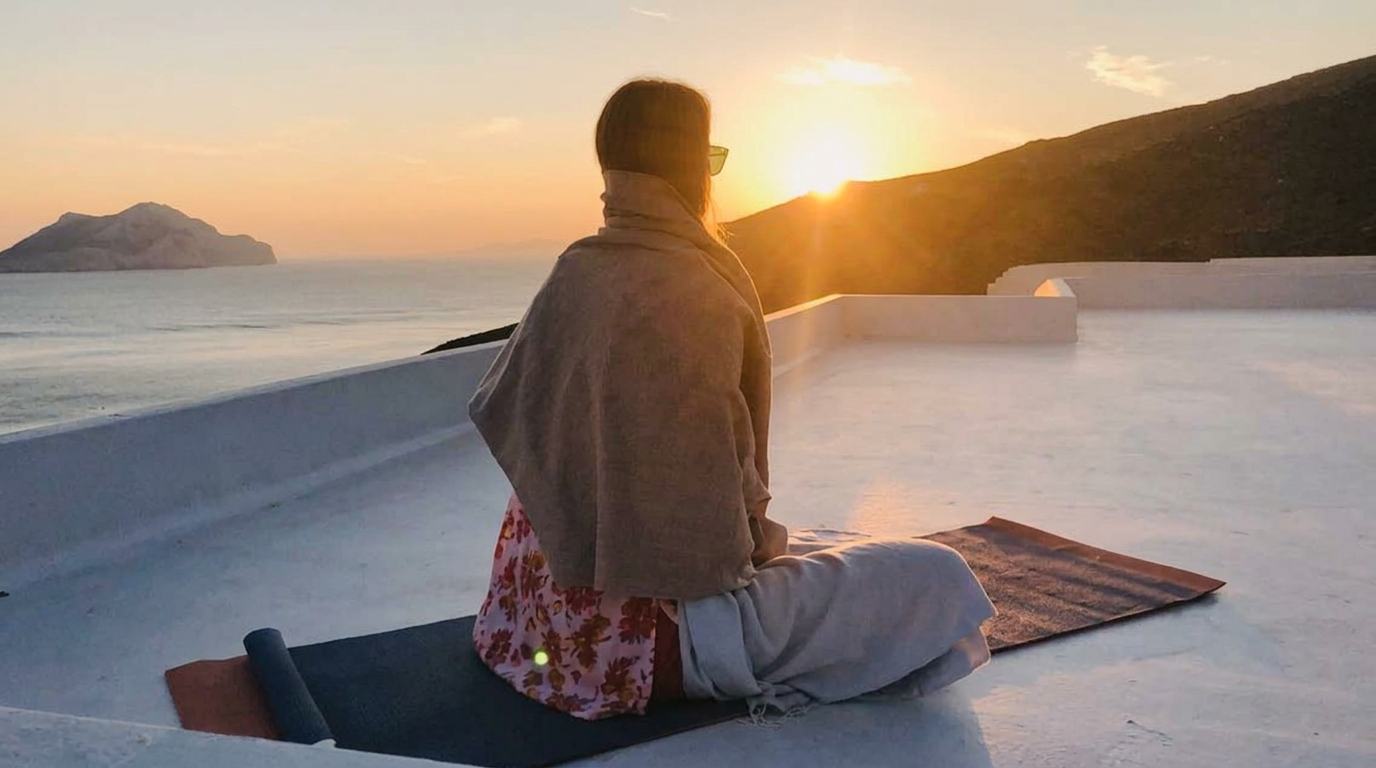
Every session is provided under the clinical supervision of Christina Whitney, LMFT # 111050, at Attune Center for Healing in Redding.
They share a family of approaches that use eye position, but they are different methods. In EMDR, the therapist directs a protocol and often asks you to hold a specific memory in mind. In Brainspotting, the spot is found by your own attention, and processing is largely self-directed, without needing to name the memory out loud.
No. You may know exactly what you want to work on, or you may just know that something feels stuck. We can start with what you are noticing now.
Yes. Brainspotting sits within a broader, trauma-informed practice that also draws on mindfulness, somatic awareness, and talk therapy. Sometimes it is the main work; sometimes it supports other ways of working.
In person in Redding at Attune Center for Healing, and by secure telehealth anywhere in California. In-office appointments at the McCloud Community Resource Center are coming soon. Neurofeedback is a separate service, currently offered in Redding only.
Marriage and Family Therapist Trainee at Attune Center for Healing
Supervised by Christina Whitney, LMFT # 111050
Coverage, benefits, and any out-of-pocket costs depend on your plan. Please confirm coverage with Attune Center for Healing before scheduling, including coverage for intensives and neurofeedback.